
Author: Jhumpa Lahiri
Year: 2003
Genre: Literary Fiction, Family Drama, Immigration Fiction
Rating: 4.5/5
Summary
The Namesake follows Gogol Ganguli, the son of Bengali immigrants who move from Kolkata to the United States to build a new life. Growing up between two cultures, Gogol struggles with his unusual name, his family's traditions, and his desire to fit into American society. As he grows older, he begins to understand his parents, his heritage, and the meaning behind his name in ways he could not appreciate as a child.
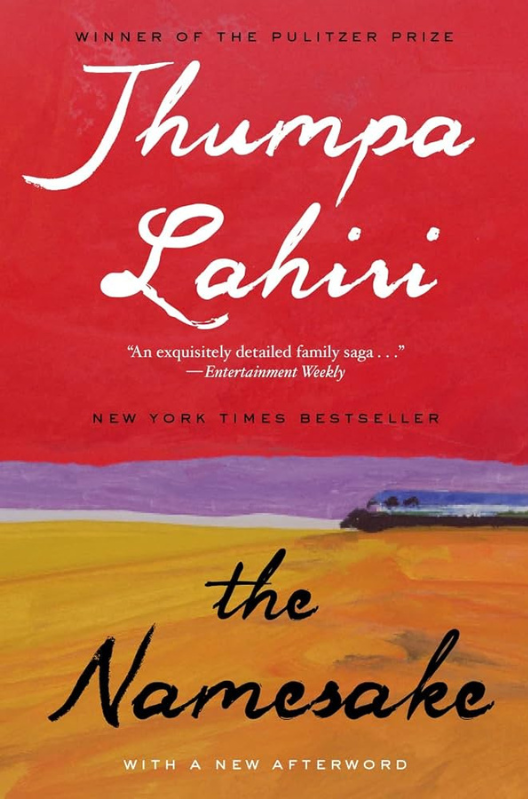
The Namesake is a quiet and deeply emotional novel about identity, family, belonging, and the experience of living between two cultures. Jhumpa Lahiri tells the story of the Ganguli family across several decades, focusing particularly on Gogol's struggle to understand who he is.
Gogol's name becomes the central symbol of his identity. As a child, he dislikes it because it makes him feel different from everyone around him. As he grows older, he tries to distance himself from his Bengali background and create an identity that feels more comfortable to him. But the more he tries to leave his past behind, the more he realizes how deeply it has shaped him.
The novel beautifully captures the immigrant experience without making it overly dramatic. Gogol's parents, Ashima and Ashoke, experience America very differently from their son. While Gogol gradually becomes more American, his parents continue to hold on to Bengali traditions, food, language, relationships, and memories of home. This creates a subtle but powerful generational divide.
One of the strongest aspects of the book is its portrayal of family relationships. The characters are not perfect, and they do not always understand each other. Yet their love is present in small gestures, sacrifices, and shared experiences.
The relationship between Gogol and his parents becomes especially meaningful as he grows older and begins to see their lives from a more mature perspective.Lahiri's writing is simple, restrained, and beautiful. Rather than relying on dramatic events, she focuses on ordinary moments and emotions. This makes the characters feel realistic and allows the story's themes to develop naturally.
The book also explores how names can carry memories, history, culture, and expectations. What initially seems like an embarrassment to Gogol gradually becomes a connection to his family and his past.The pacing is deliberately slow, so readers looking for a fast-moving plot may find it uneventful at times. But the emotional depth is where the novel's strength lies.Overall, The Namesake is a thoughtful exploration of what it means to belong to more than one world. It shows that understanding your identity does not necessarily mean choosing between cultures—it can mean accepting all the parts of yourself that have shaped who you are.
Verdict: A beautifully written story about family, identity, and finding peace with where you come from.